
PostHog- Self-Hosted Product Analytics & Feature Management Platform | Complete Guide
In today’s data-driven product development landscape, understanding user behavior and making informed decisions is crucial for success. PostHog emerges as a game-changing solution, offering a comprehensive suite of tools that empowers engineering teams to build better products through data-driven insights.
Understanding PostHog’s Core Capabilities
PostHog represents a paradigm shift in product analytics. Unlike traditional solutions that lock your data in third-party servers, PostHog provides a self-hosted platform that gives you complete control over your data while delivering powerful analytics capabilities.
Product Analytics That Drive Decision Making
The platform’s analytics engine processes user interactions in real-time, providing actionable insights that help teams understand:
- User engagement patterns
- Feature adoption rates
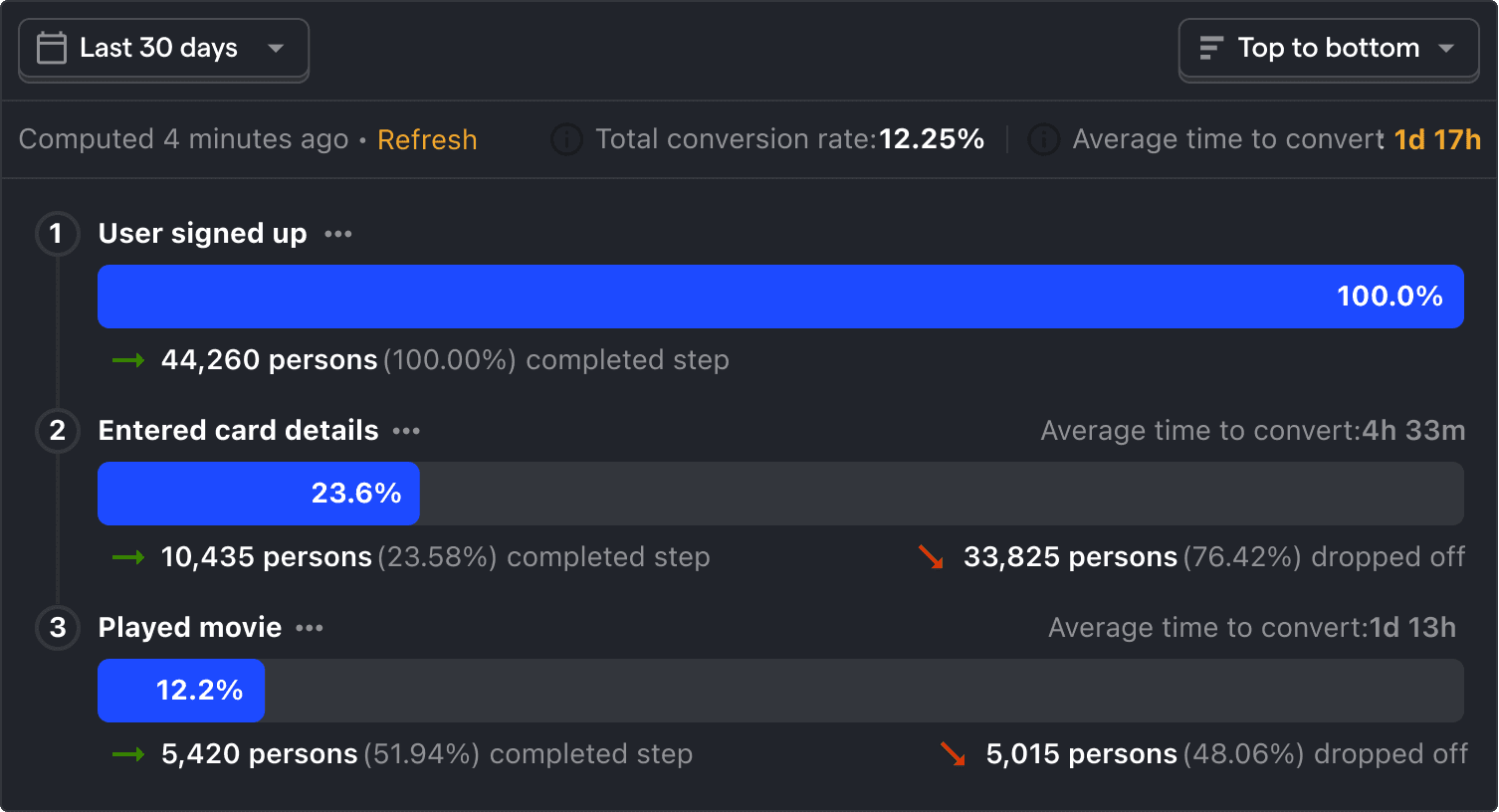
- Conversion funnels
- User retention metrics
- Custom event tracking
These insights enable product teams to make data-backed decisions rather than relying on gut feelings or assumptions.
Session Recording: See Your Product Through Users’ Eyes
One of PostHog’s standout features is its session recording capability. This tool allows you to:
- Watch real user interactions
- Identify usability issues
- Understand user friction points
- Debug problems efficiently
- Validate user feedback
By recording actual user sessions, teams can witness firsthand how users navigate their products, leading to more informed design and development decisions.
Feature Flags: Control and Experimentation
Feature flags have become essential in modern software development, and PostHog’s implementation stands out for several reasons.
Dynamic Feature Management
PostHog’s feature flagging system enables teams to:
- Roll out features gradually
- Test in production safely
- Target specific user segments
- Toggle features without deployments
- Manage feature lifecycles effectively
A/B Testing Integration
The platform seamlessly combines feature flags with A/B testing capabilities, allowing teams to:
- Compare feature variations
- Measure impact on key metrics
- Make data-driven decisions
- Optimize user experience
- Validate hypotheses
Self-Hosting Advantages
The self-hosted nature of PostHog provides several compelling benefits that set it apart from traditional SaaS analytics solutions.
Data Privacy and Security
When you self-host PostHog, you maintain complete control over:
- Data storage location
- Access controls
- Security protocols
- Compliance measures
- Data retention policies
Cost Efficiency at Scale
Self-hosting can lead to significant cost savings, especially for organizations with:
- High traffic volumes
- Strict data residency requirements
- Complex compliance needs
- Large user bases
- Multiple products
Technical Implementation
Getting started with PostHog involves several key steps that ensure successful implementation.
Installation Options
PostHog offers flexible deployment options:
- Docker deployment
- Kubernetes installation
- Cloud hosting platforms
- Bare metal servers
- Platform-as-a-Service providers
Integration Capabilities
The platform provides robust integration options with:
- Popular frameworks
- Development tools
- Analytics platforms
- Marketing tools
- Customer support systems
Advanced Analytics Features
PostHog’s analytics capabilities extend beyond basic metrics to provide deep insights into user behavior.
Cohort Analysis
Teams can segment users based on:
- Behavior patterns
- Usage frequency
- Feature adoption
- Custom properties
- Time-based actions
Funnel Analysis
The funnel analysis tool helps teams:
- Track conversion paths
- Identify drop-off points
- Optimize user journeys
- Measure success rates
- Compare segment performance
Real-World Applications
PostHog’s versatility makes it valuable across various scenarios.
Product Development
Teams use PostHog to:
- Validate feature ideas
- Monitor adoption rates
- Track user engagement
- Identify pain points
- Measure success metrics
User Experience Optimization
The platform helps improve UX by:
- Analyzing user flows
- Identifying confusion points
- Testing interface changes
- Measuring improvements
- Validating design decisions
Best Practices for Implementation
Successful PostHog implementation requires careful planning and execution.
Data Collection Strategy
Develop a comprehensive plan for:
- Event tracking
- User properties
- Custom metrics
- Conversion goals
- Performance indicators
Team Collaboration
Ensure effective use across teams by:
- Setting up proper access controls
- Creating shared dashboards
- Establishing naming conventions
- Documenting tracking plans
- Defining success metrics
Scaling with PostHog
As your product grows, PostHog scales to meet increasing demands.
Infrastructure Considerations
Plan for growth by considering:
- Server capacity
- Database optimization
- Cache management
- Network requirements
- Backup strategies
Performance Optimization
Maintain optimal performance through:
- Regular maintenance
- Resource monitoring
- Query optimization
- Data archiving
- Load balancing
Common Questions About PostHog
Q: How does PostHog compare to other analytics platforms?
A: PostHog distinguishes itself through self-hosting capabilities, integrated feature management, and comprehensive analytics tools in a single platform.
Q: What are the minimum system requirements?
A: Requirements vary based on usage, but generally include a modern server with adequate CPU, RAM, and storage capacity.
Q: Can PostHog handle large-scale deployments?
A: Yes, PostHog is designed to scale horizontally and can handle millions of events with proper infrastructure.
Looking Forward with PostHog
As product analytics continue to evolve, PostHog remains at the forefront of innovation. The platform’s commitment to open-source development ensures continuous improvement and adaptation to changing needs.